
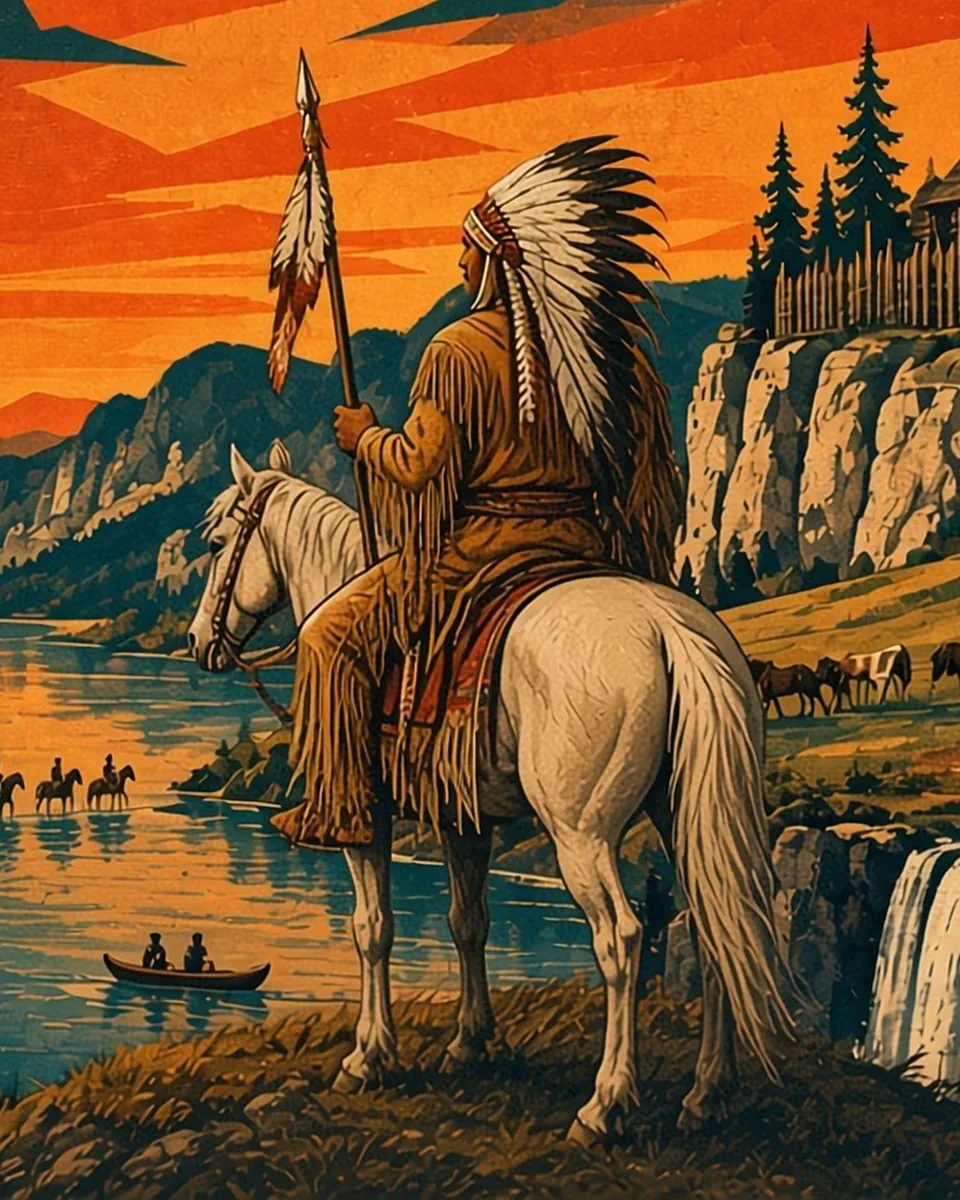
Top films: Ostern
Ranked by True Grit score, then IMDb votes. TV series are listed under TV, not here.
- Number 1: A Man from the Boulevard des Capucines1987 · 1 h 38 minDir. Alla SurikovaTrue Grit 84, Silver
 Number 4: Chingachgook, die große Schlange1967 · 1 h 27 minDir. Richard GroschoppTrue Grit 84, Silver (provisional)
 Number 5: The Headless Horseman1973 · 1 h 44 minDir. Vladimir VajnshtokTrue Grit 84, Silver (provisional)
 Number 9: Armed and Dangerous1978 · 1 h 40 minDir. Vladimir VajnshtokTrue Grit 84, Silver (provisional)


About Ostern (Red Westerns)
From the wiki's article on the genre.
The name is sometimes also used for Soviet adventure films that borrowed the Western's style for stories set elsewhere.
Origins
American Westerns were among the US films shown in the early Soviet Union, and some Soviet films of the 1920s borrowed from them. Under Stalin, as cultural controls tightened, Western-style films became rare, even though Stalin himself is said to have enjoyed Hollywood Westerns.
The genre really grew in the 1960s during the Khrushchev Thaw. From 1962 the USSR allowed some American and foreign films to be screened, and The Magnificent Seven became the most commercially successful of them and an instant cult film with Soviet audiences. Its popularity encouraged Soviet filmmakers and state studios to try Western elements in their own work.
Red Westerns
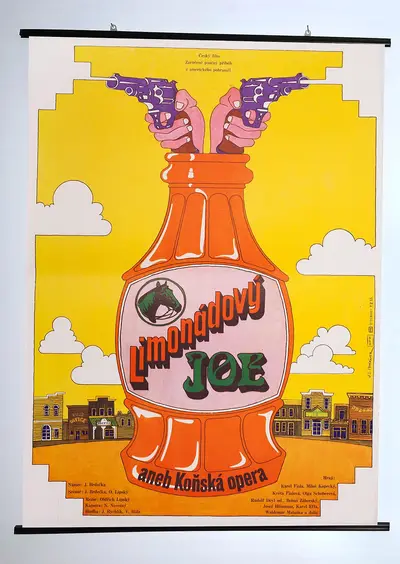
The Czechoslovak comedy Lemonade Joe (1964) is largely a parody of the Western, but its popularity across the Eastern Bloc made Western conventions more familiar to audiences there. In Germany, the West German–Yugoslav Karl May adaptation Treasure of Silver Lake (1962) marked the start of a wave of German Westerns, and East Germany's DEFA studio went on to make its own highly popular Indianerfilme ("Indian films").
The East German The Sons of Great Bear (1966), directed by Josef Mach, was a seminal Red Western. It turned the usual "cowboys and Indians" story on its head, making the Native Americans the heroes and the US Army the villains. The German-Serbian actor Gojko Mitić became the series' star, playing noble and likeable Indian chiefs; on a later visit to the United States in the 1990s he was made an honorary Sioux chief. The American singer and actor Dean Reed, who lived in East Germany, also starred in several Osterns. Because few Native Americans lived in Eastern Europe, Native American roles were often played by Roma or Turkic actors.
Red Westerns usually showed Native Americans sympathetically, as oppressed people fighting for their rights, and set aside Hollywood's ideas of manifest destiny in favour of Marxist themes of class consciousness and international solidarity. Romanian filmmakers added adaptations of James Fenimore Cooper, often as co-productions with Western countries.
Continue reading · 1 more section
Later films
Late in the Soviet era, the comedy A Man from the Boulevard des Capucines (1987) returned to the American West, with a travelling showman bringing the cinema to a rough frontier town.
Related sub-genres
- Spaghetti Westerns167 films · 34 classicsSpaghetti Westerns were European-made Westerns, mostly Italian-led and often Italian-Spanish co-productions, that took off after Sergio Leone's A Fistful of Dollars (1964).Top rated: The Good, the Bad and the Ugly (1966)
- Comedy Westerns127 films · 0 classicsWesterns played mainly for laughs, from gentle comedies to outright parodies of the genre.Top rated: Back to the Future Part III (1990)
- Acid Westerns9 films · 5 classicsA strand of the Western from the 1960s and 1970s that mixed the ambitions of acclaimed Westerns such as Shane and The Searchers with the excesses of the spaghetti Western, coloured by the counterculture and drug culture of the time.Top rated: Wild Bill (1995)
- American Westerns745 films · 304 classicsWesterns made in the United States, where the genre began.Top rated: True Grit (2010)
- B Westerns and singing cowboys20 films · 13 classicsLow-budget Westerns made in large numbers to fill the lower half of double bills, chiefly from the 1920s to the 1940s.Top rated: Dark Command (1940)
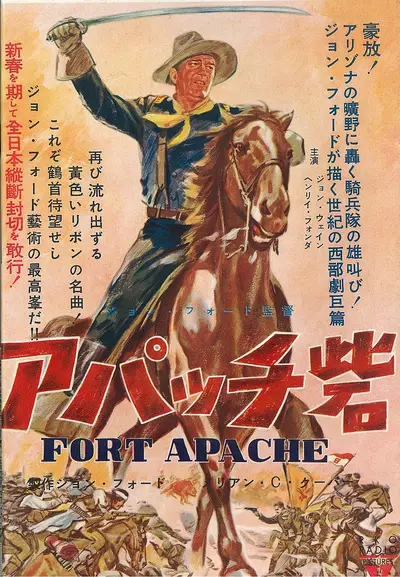
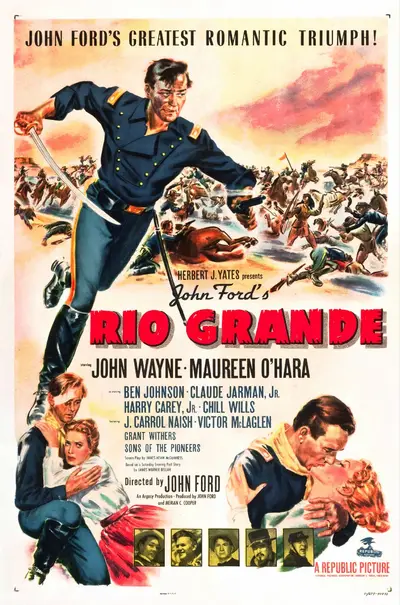
- Cavalry Westerns46 films · 19 classicsWesterns centred on the US Cavalry on the frontier, such as John Ford's 'cavalry trilogy' of Fort Apache, She Wore a Yellow Ribbon and Rio Grande.Top rated: Fort Apache (1948)







Member reviews
What members think. Member reviews never change the True Grit score. The True Grit score is worked out by the editors from sources.
Sources
How well sourced: 2 sources (1 independent; Wikipedia and Wikidata count as one). See sources.
- Ostern - Wikipedia en.wikipedia.org
- Wikidata: Q26268098 wikidata.org