

True Grit Rating: Pony Express
Loading the ticket…
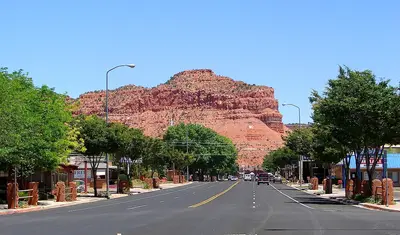
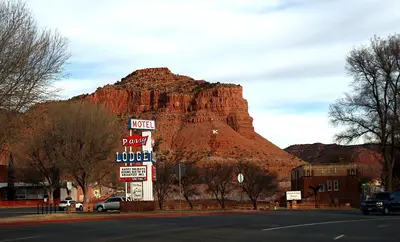
Pony Express (1953) is a Western directed by Jerry Hopper and filmed in Kanab, Utah, starring Charlton Heston as Buffalo Bill Cody and Forrest Tucker as Wild Bill Hickok, with Rhonda Fleming and Jan Sterling.
Cast

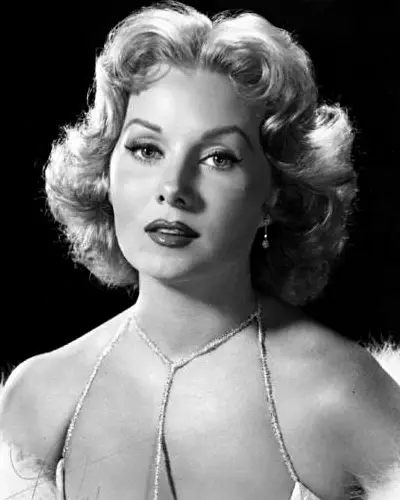
If you liked this
Picked from this wiki's own links: same film series, same director, same lead actor.


Frontier folk
This film is listed on: Stage drivers, shotgun guards and express riders (all Frontier folk)
Key facts
- Directed by Jerry Hopper
- Released 1953
Gallery 3



True Grit RatingWhat's this?Woke: None foundSVLIMDb ★5.8Provisional
True Grit score: 84/100, Silver Provisional
How the score is worked out:
- Start100
- Provisional, capped at Silver: 100 → 84 (2 checks not known, provisional)
- Presumed (Hays Code, 1934–1967): sex & nudity, violence, language presumed no, counted as checked0
- True Grit score84 · Silver
Classic Western checks
0 of 5 yes · Classic Western · 1 not known
- Called “revisionist”NoNo: a review describes it as a routine, standard, conventional, old-fashioned, traditional or classic Western.[1]
- Settlers or cavalry as villainsNoNo settlers are cast as villains: the villains are the fake cavalry sergeant Red Barrett and his men, and the Californians plotting secession.[2]
- Faith shown negativelyNoNo: Hays-era titles presume no faith attack unless a source flags one.[3]
- History rewrittenNot knownFiction set in 1860 around the founding of the Pony Express; Buffalo Bill Cody, Wild Bill Hickok and Yellow Hand appear as characters. [2][4][5]
more
Fiction set in 1860 around the founding of the Pony Express; Buffalo Bill Cody, Wild Bill Hickok and Yellow Hand appear as characters. The film makes Hickok Cody's partner, but Hickok never rode for the service and worked only as a stock tender, at Rock Creek Station. Unknown. - A people shown as villainsNoNo: the plot source pins the villainy on named individuals, a gang or a specific band, not on a people as a whole.[6][7]
Woke content (modern messaging)
None found0 of 8 items found so far
Show all 8 (2 not found · 6 not known)
Unless noted: Unknown.
- Characters recast for representationNot known
- Gender roles reversed or critiquedNot known
- Present-day political languageNot known
- Allegory for current politicsNot foundReleased in 1953, before the 21st-century debates this item covers, so it cannot be an allegory of them.[2]
- Western civilisation framed as inherently guiltyNot known
- Environmental activismNot foundNo: no source raises an environmental message (5 Nov 2026).[3]
- Source material changed for messagingNot known
- LGBT or gender-identity themesNot known
Content guide
- SSex & nudityPresumed no
- VViolencePresumed no
- LLanguagePresumed no
Presumed no (Hays Code)
NoneMildModerateStrongNot known
Audience
★ 5.8/10 from viewers on IMDb (1.7k votes)No deduction (5.0 and up).
Sources
- Dennis Schwartz Reviews: Pony Express
- AFI Catalog: Pony Express (1953) (accessed 26 October 2026)
- Wikipedia: Pony Express
- Pony Express National Museum: Historical notes (checked 18 October 2026)
- National Park Service: Rock Creek Station State Historical Park (accessed 26 October 2026)
- Once Upon a Time in a Western: Pony Express
- Grokipedia: Pony Express
Information courtesy of IMDb (https://www.imdb.com). IMDb rating as of 13 October 2026.
Checked 18 October 2026 · Reviewed by Frontier Editor
Provisional: not enough sources yet, so this rating may change.
Member reviews
What members think. Member reviews never change the True Grit score. The True Grit score is worked out by the editors from sources.
Sources
- Pony Express (film) - Wikipedia en.wikipedia.org
- Wikidata: Q3283680 wikidata.org
- IMDb Non-Commercial Datasets developer.imdb.com
- Pony express q29sbgvjdglvbjpwwc00otq4ntm - bbfc.co.uk bbfc.co.uk
- Wikimedia Commons: Kanab UT 1.JPG commons.wikimedia.org
- Wikimedia Commons: Kanab ~ Utah %2845404760151%29.jpg commons.wikimedia.org