
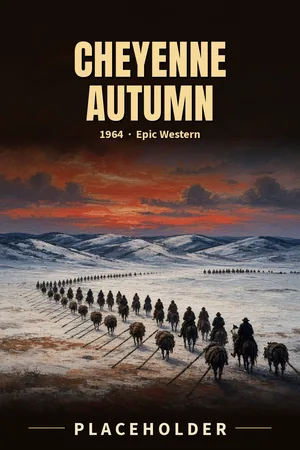

True Grit Rating: Cheyenne Autumn
Loading the ticket…
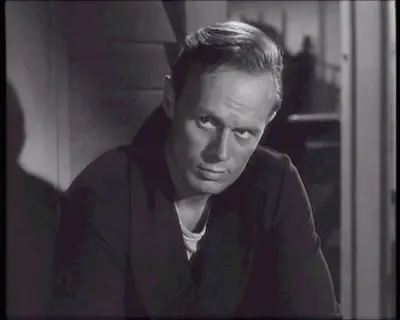
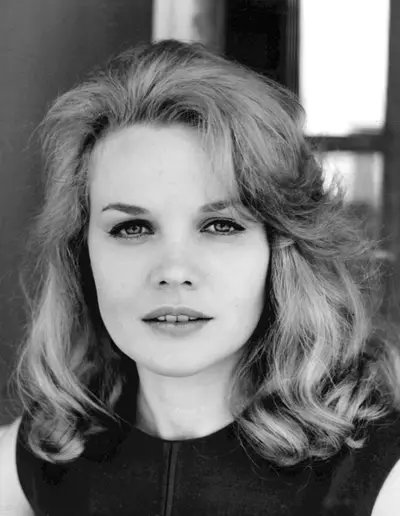
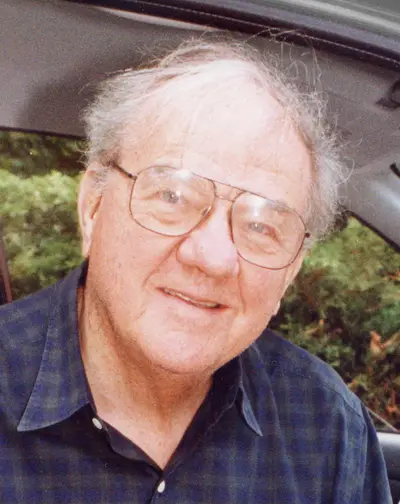
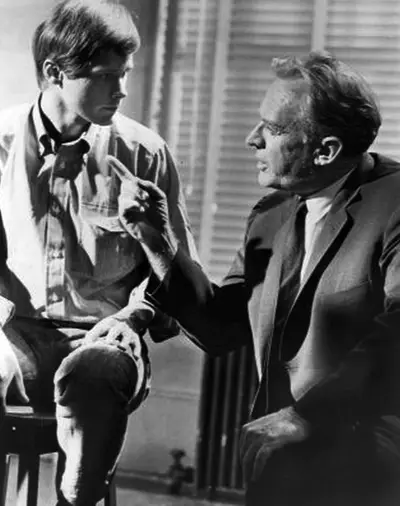
Cheyenne Autumn is a 1964 American epic Western directed by John Ford, starring Richard Widmark, Carroll Baker, James Stewart and Edward G. Robinson. It tells, with some artistic licence, the story of the Northern Cheyenne Exodus of 1878–79. It was Ford's last Western. He presented it as an elegy for Native Americans who, in his view, had been badly treated by the U.S. government and misrepresented in many of his own films. The budget was more than $4 million, and the film did poorly at the box office, failing to make a profit for Warner Bros.
Plot
In 1878 the surviving Cheyenne, moved 1,500 miles from their Yellowstone homeland, are waiting on an Oklahoma reservation for a congressional committee that never arrives. Deborah Wright, a Quaker schoolteacher, teaches their children. She is engaged to Captain Thomas Archer, whose cavalry troop watches over the reservation. Frustrated by the Bureau of Indian Affairs, the leaders Dull Knife and Little Wolf take their people north towards home, and Deborah goes with them.
Archer's troops pursue them. After a skirmish in a canyon, the newspapers exaggerate the death toll and paint the Cheyenne as savages. Near Dodge City, a comic interlude shows Wyatt Earp and Doc Holliday leading the townspeople's war party the wrong way. In winter the Cheyenne split. Dull Knife's group surrenders to Captain Henry W. Wessells Jr. at Fort Robinson and is confined in a barracks. Archer goes to Washington to plead their case with Carl Schurz, the Secretary of the Interior. Schurz then meets the Cheyenne leaders and agrees to let them return home.
Development
Ford had been interested in the subject since reading Mari Sandoz's book Cheyenne Autumn when it came out in 1953. He told Peter Bogdanovich during filming: "There are two sides to every story, but I wanted to show their point of view for a change." Early drafts also drew on Howard Fast's 1941 novel The Last Frontier, whose rights belonged to Columbia Pictures. Columbia later sued Warner Bros. for plagiarism over James R. Webb's script, and the studios settled out of court. The finished film took its title and main story from Sandoz.
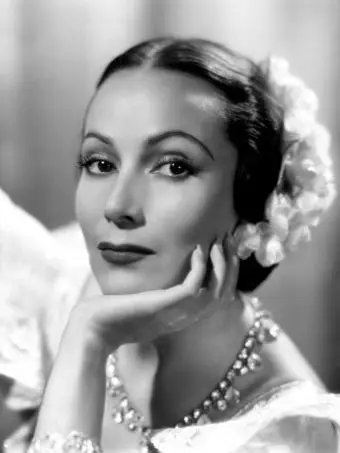
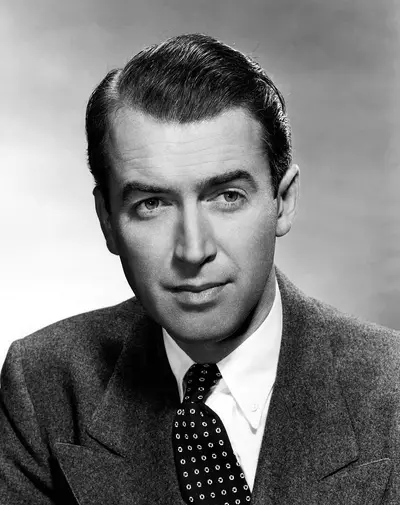
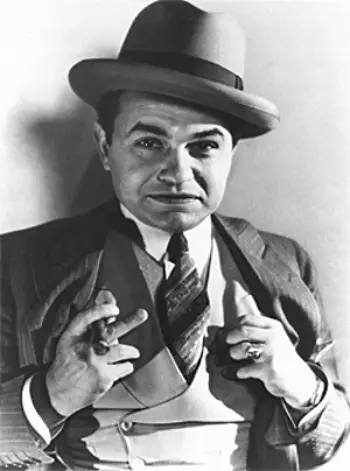
Warner approved a budget of $4.2 million and the film was shot in Super Panavision 70. Spencer Tracy dropped out and was replaced by Robinson as Schurz. Stewart played Earp. Ford cast Mexican and Italian actors as the Cheyenne leaders: Sal Mineo, Gilbert Roland, Ricardo Montalbán and Dolores del Río. Navajo people played the Cheyenne, and the dialogue presented as Cheyenne is actually Navajo. George O'Brien, a Ford regular since the silent era, plays Major Braden.
Filming
Principal photography began on 23 September 1963. Several weeks were spent in Monument Valley, where Ford had filmed Stagecoach (1939) and The Searchers (1956). Other Utah locations included the San Juan River at Mexican Hat, Professor Valley, Castle Valley, Fisher Canyon and Arches. On 22 November 1963, while filming the climax near Moab, Ford stopped production on hearing that President John F. Kennedy had been assassinated. Interiors and the Dodge City sequence were shot on the Warner lot in Burbank, and tundra scenes in Colorado. Ford sprained his ankle in Colorado and was incapacitated by codeine, so Widmark stepped in to direct.
Release and reception
Ford's first cut ran 158 minutes, his longest work. Warner made cuts, especially in the Fort Robinson sequence. The Dodge City episode was kept for the London premiere and roadshow screenings but cut from the general release, then restored on home video. Critics have argued that this comic episode interrupts the story. The film had its world premiere in Cheyenne, Wyoming, on 15 October 1964, the same day as its London premiere. It earned $6.3 million worldwide and lost $5.7 million. Bosley Crowther of The New York Times called it "a beautiful and powerful motion picture".
Key facts
- Released: 15 October 1964 (world premiere, Cheyenne, Wyoming)
- Director: John Ford
- Screenplay: James R. Webb, based on Mari Sandoz's book
- Studio: Warner Bros.
- Format: Super Panavision 70
- Running time: 158 minutes (Ford's first cut)
- Budget: $4.2 million
- Directed by John Ford
- Released 1964
Cast



See also
If you liked this
Picked from this wiki's own links: same film series, same director, same lead actor.


Frontier folk
This film is listed on: Doctors, schoolteachers, newspaper editors and shopkeepers · Cheyenne (all Frontier folk)
True Grit RatingWhat's this?Woke: None foundSVLIMDb ★6.7Partly checked
True Grit score: 99/100, Gold Partly checked
How the score is worked out:
- Start100
- Diamond needs all five checks; not met (raw score under 109; IMDb under 7.0 or under 10,000 votes): 100 → 99
- Presumed (Hays Code, 1934–1967): violence, language presumed no, counted as checked0
- True Grit score99 · Gold
Classic Western checks
1 of 5 yes · Mostly classic
- Called “revisionist”YesYes: described as a revisionist Western.[1][2]
- Settlers or cavalry as villainsNoNo: the villains are individuals, a gang, a boss, a posse or a cattle baron, not settlers as a group. [3][4][5]
more
No: the villains are individuals, a gang, a boss, a posse or a cattle baron, not settlers as a group. In the film, newspapers inflate the death count and misrepresent the Cheyenne, Dodge City townspeople organise a war campaign against them, and Captain Wessells confines Dull Knife's band at Fort Robinson; the Quaker teacher Deborah and Captain Archer side with the Cheyenne, and Earp and Holliday lead the campaign astray. - Faith shown negativelyNoNo: Hays-era titles presume no faith attack unless a source flags one.[5]
- History rewrittenNoNo: the main events broadly follow the record. [4][5]
more
No: the main events broadly follow the record. Tells the real Northern Cheyenne Exodus of 1878–79 with artistic license. - A people shown as villainsNoNo: the plot source pins the villainy on named individuals or a specific band, not on a people as a whole.[6]
Woke content (modern messaging)
None found0 of 8 items found so far
Show all 8 (2 not found · 6 not known)
Unless noted: Unknown.
- Characters recast for representationNot knownBased on Mari Sandoz's book about the real exodus, and portrays real Cheyenne leaders and officials.[5]
- Gender roles reversed or critiquedNot known
- Present-day political languageNot known
- Allegory for current politicsNot foundReleased in 1964, before the 21st-century debates this item covers, so it cannot be an allegory of them.[5]
- Western civilisation framed as inherently guiltyNot known
- Environmental activismNot foundNo: no source raises an environmental message (5 Nov 2026).[5]
- Source material changed for messagingNot known
- LGBT or gender-identity themesNot known
Content guide
Presumed no (Hays Code)
UK classification advice lists no sex or nudity issues.
Certificates: BBFC U FSK FSK 12
NoneMildModerateStrongNot known
Audience
★ 6.7/10 from viewers on IMDb (7.1k votes)No deduction (5.0 and up).
Sources
- Emanuel Levy, review (28 Aug 2006)
- Grokipedia: Cheyenne Autumn
- Once Upon a Time in a Western: Cheyenne Autumn
- Dennis Schwartz Reviews: Cheyenne Autumn (checked 18 October 2026)
- Wikipedia: Cheyenne Autumn (plot) (accessed 26 October 2026)
- catalog.afi.com/Catalog/MovieDetailsPrintView/23967
- bbfc.co.uk/release/cheyenne-autumn-q29sbgvjdglvbjpwwc0ynda0otq
Information courtesy of IMDb (https://www.imdb.com). IMDb rating as of 13 October 2026.
Checked 18 October 2026 · Reviewed by Frontier Editor
Partly checked: 1 check not known. Not known items are left out of the score.
Member reviews
What members think. Member reviews never change the True Grit score. The True Grit score is worked out by the editors from sources.
Sources
- Cheyenne Autumn - Wikipedia en.wikipedia.org
- Wikidata: Q1071402 wikidata.org
- Wikimedia Commons: Dolores del R%C3%ADo in %22Cheyenne Autumn%22 (1964).jpg commons.wikimedia.org
- Cheyenne Autumn film by Ford - Britannica britannica.com
- IMDb Non-Commercial Datasets developer.imdb.com
- Cheyenne autumn q29sbgvjdglvbjpwwc0ynda0otq - bbfc.co.uk bbfc.co.uk
- Rotten Tomatoes (score via Wikidata) rottentomatoes.com
