
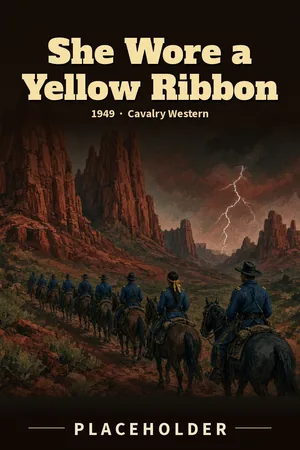

True Grit Rating: She Wore a Yellow Ribbon
Loading the ticket…
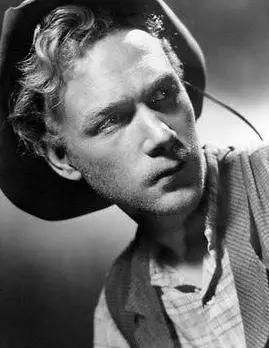
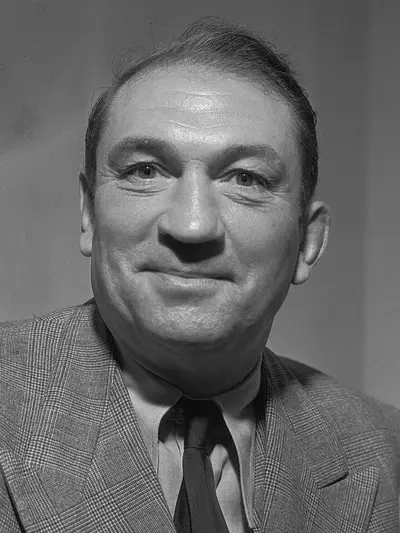
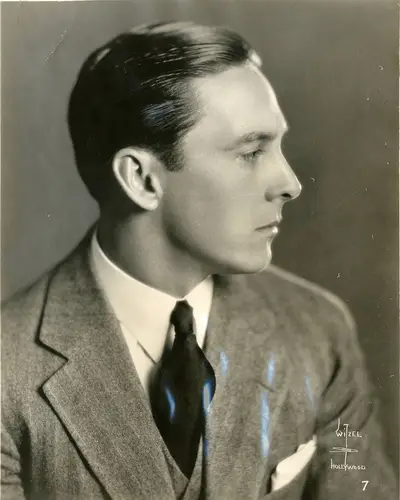
She Wore a Yellow Ribbon is a 1949 American Western directed by John Ford and starring John Wayne, with Joanne Dru, John Agar, Ben Johnson and Harry Carey Jr. in supporting roles. It is the second film in Ford's "Cavalry Trilogy", between Fort Apache (1948) and Rio Grande (1950). Shot in Technicolor in Monument Valley, it won the Academy Award for Best Colour Cinematography and is best remembered for its painterly images of cavalry on the march.
Plot
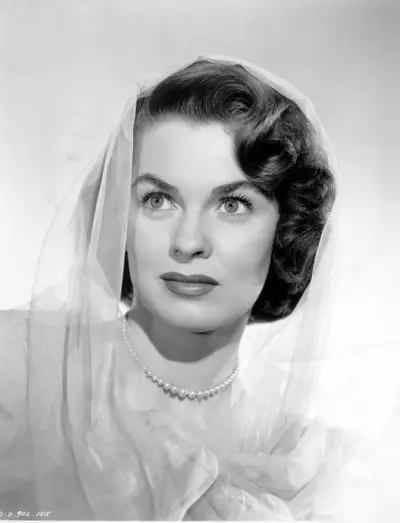
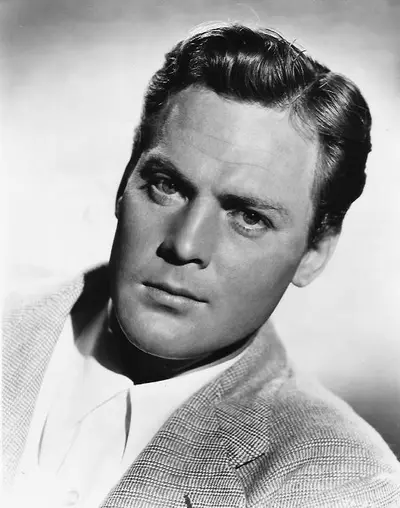
In August 1876, shortly after Custer's defeat at the Little Bighorn, Captain Nathan Brittles (Wayne) is days away from retiring from the US 2nd Cavalry after 40 years' service. At Fort Starke, a small frontier post, life seems peaceful. His men give him a silver pocket watch as a parting gift, and he has to put on his spectacles to read its inscription. Two young officers, Lieutenants Flint Cohill (Agar) and Ross Pennell (Carey), compete for the attention of Olivia Dandridge (Dru), the commanding officer's niece, which gives Brittles plenty of chances to lecture them on cavalry discipline.
The calm ends with news that Cheyenne and Arapaho warriors have broken out of their reservation. Brittles is sent on one last patrol, which is also charged with escorting the commanding officer's wife and niece to safety. With war threatening across the plains and his retirement approaching, Brittles has to decide how he will finish his career. The film's themes are duty, ageing and a changing West.
Production
Frank S. Nugent and Laurence Stallings wrote the screenplay, and Merian C. Cooper produced. With a budget of $1.6 million, the film was one of the most expensive Westerns made up to that time. The title comes from a song popular with the US military.
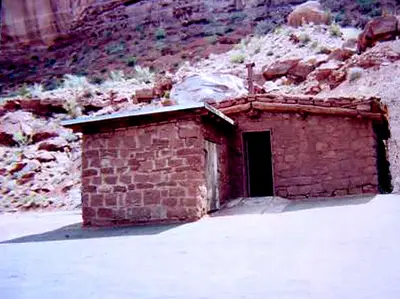
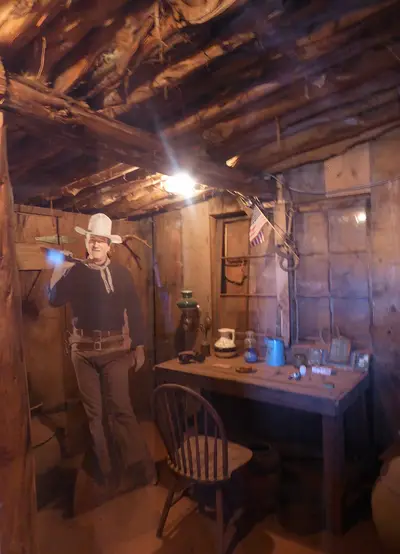
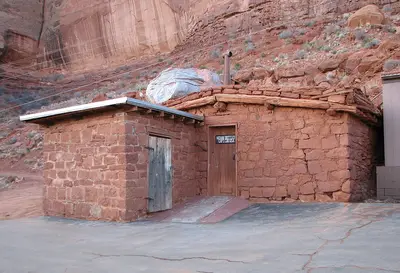
The film was shot on location in Monument Valley, using large areas of the Navajo reservation on the Arizona–Utah border. The cast and crew lived in fairly primitive conditions, most of them in dirt-floor cabins with shared cold showers. Even so, the film was finished ahead of schedule and under budget. Ford and the cinematographer Winton C. Hoch, one of the pioneers of Technicolor, based much of the film's look on the paintings and sculptures of Frederic Remington.
The thunderstorm scene
Hoch and Ford clashed during filming, and one of the film's best-known shots came out of their argument. As a line of cavalry rode through the desert, a real thunderstorm built on the horizon. Hoch began packing up, arguing that there was not enough light and that the cameras might attract lightning, but Ford ordered him to keep shooting. Hoch later filed a letter of complaint with the American Society of Cinematographers. Accounts of the incident differ. Harry Carey Jr. later remembered Ford calmly asking Hoch to try the shot and Hoch agreeing, while warning that he could promise nothing.
Reception and awards
The film was a major hit for RKO. Audiences were glad to be back in familiar Ford territory, with his regular company of actors and the landscape of Monument Valley. Hoch won the Academy Award for Best Cinematography (Colour) at the 22nd Academy Awards, and he was the only member of the cast and crew to win an Oscar for the film. The screenplay was nominated for Best Written American Western by the Writers Guild of America.
Legacy
Together with Fort Apache and Rio Grande, the film is now seen as one of the classic statements of Ford's view of the frontier army: its rituals, its loyalties and the passing of a generation. In 1958 James Warner Bellah wrote an unsuccessful television pilot based on it, called Command.
Key facts
- Released: 1949
- Director: John Ford
- Producer: Merian C. Cooper (Argosy Pictures)
- Screenplay: Frank S. Nugent and Laurence Stallings
- Cinematography: Winton C. Hoch (Technicolor)
- Music: Richard Hageman
- Distributor: RKO
- Running time: accounts differ: 103 or 104 minutes
- Budget: about $1.6 million
- Filmed in: Monument Valley, Arizona/Utah
- Oscar: Best Cinematography (Colour), Winton C. Hoch
- Series: second film of Ford's Cavalry Trilogy
- Directed by John Ford
- Budget of about $1.6 million, one of the costliest Westerns of its time
- A major hit for RKO
Cast
See also
If you liked this
Picked from this wiki's own links: same film series, same director, same lead actor.
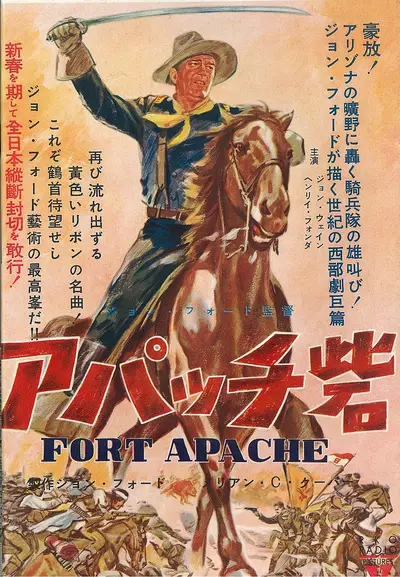
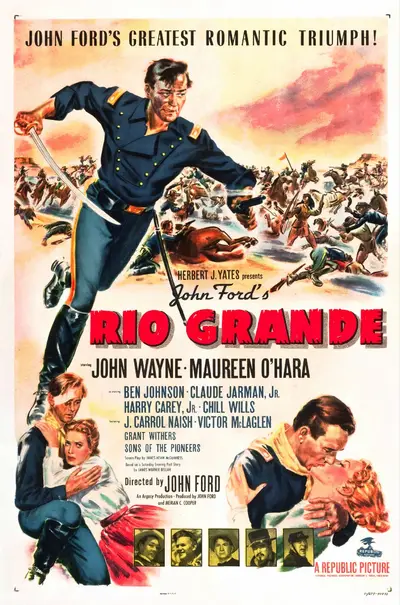


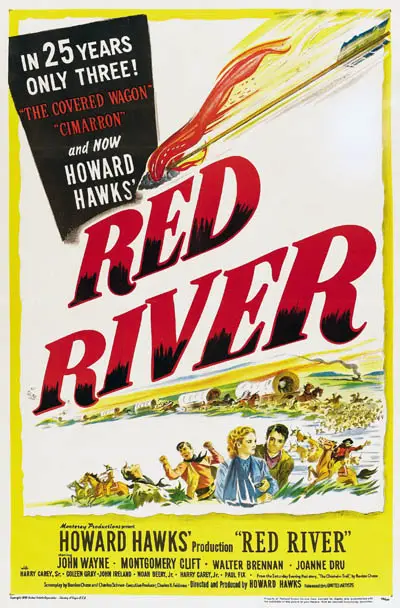


Frontier folk
This film is listed on: Cavalry troopers and frontier scouts · Corrupt lawmen and officials · Gunrunners and whisky traders · Renegade raiding bands (by tribe) · Arapaho · Cheyenne (all Frontier folk)
Gallery 4




True Grit RatingWhat's this?Woke: None foundSVLIMDb ★7.2Partly checked
True Grit score: 99/100, Gold Partly checked
How the score is worked out:
- Start100
- Diamond needs all five checks; not met (raw score under 109): 100 → 99
- Presumed (Hays Code, 1934–1967): violence, language presumed no, counted as checked0
- True Grit score99 · Gold
Classic Western checks
0 of 5 yes · Classic Western
- Called “revisionist”NoOne review groups it with Ford's classic westerns filmed in Monument Valley.[1]
- Settlers or cavalry as villainsNoThe cavalry try to prevent a war after the Cheyenne and Arapaho break out of their reservation; the Indian agent Rinders illegally tries to sell them repeating … [2]
more
The cavalry try to prevent a war after the Cheyenne and Arapaho break out of their reservation; the Indian agent Rinders illegally tries to sell them repeating rifles. - Faith shown negativelyNoThe plot shows no clergy or faith portrayed negatively.[2]
- History rewrittenNoFiction with invented characters; it portrays no real historical events or people, so nothing documented is rewritten. [2]
more
Fiction with invented characters; it portrays no real historical events or people, so nothing documented is rewritten. Based on James Warner Bellah’s stories. - A people shown as villainsNoNo: the plot source pins the villainy on named individuals or a specific band, not on a people as a whole.[3]
Woke content (modern messaging)
None found0 of 8 items found so far
Show all 8 (2 not found · 6 not known)
Unless noted: Unknown.
- Characters recast for representationNot known
- Gender roles reversed or critiquedNot known
- Present-day political languageNot known
- Allegory for current politicsNot foundReleased in 1949, before the 21st-century debates this item covers, so it cannot be an allegory of them.[2]
- Western civilisation framed as inherently guiltyNot known
- Environmental activismNot foundNo: no source raises an environmental message (5 Nov 2026).[2]
- Source material changed for messagingNot known
- LGBT or gender-identity themesNot known
Content guide
Presumed no (Hays Code)
UK classification advice lists no sex or nudity issues.
Certificates: BBFC PG FSK FSK 12
NoneMildModerateStrongNot known
Audience
★ 7.2/10 from viewers on IMDb (21k votes)No deduction (5.0 and up).
Sources
Information courtesy of IMDb (https://www.imdb.com). IMDb rating as of 13 October 2026.
Checked 17 October 2026 · Reviewed by Frontier Editor
Partly checked: 1 check not known. Not known items are left out of the score.
Member reviews
What members think. Member reviews never change the True Grit score. The True Grit score is worked out by the editors from sources.
Sources
- She Wore a Yellow Ribbon - Wikipedia en.wikipedia.org
- Wikidata: Q849344 wikidata.org
- Wikimedia Commons: She Wore a Yellow Ribbon trailer 2.jpg commons.wikimedia.org
- She Wore a Yellow Ribbon - TCM article (Rob Nixon, 2003) tcm.com
- She Wore a Yellow Ribbon - Britannica britannica.com
- IMDb Non-Commercial Datasets developer.imdb.com
- She wore a yellow ribbon q29sbgvjdglvbjpwwc0zmjg4mjk - bbfc.co.uk bbfc.co.uk
- Rotten Tomatoes (score via Wikidata) rottentomatoes.com
- Metacritic (score via Wikidata) metacritic.com
- Wikimedia Commons: JOHN%27S WAYNE%27S HOUSE FROM MOVIE -SHE WORE A YELLOW RIBBON-%3D.jpg commons.wikimedia.org
- Wikimedia Commons: Monument valley Goulding%27s stage lines (5).JPG commons.wikimedia.org
- Wikimedia Commons: Monument valley John Wayne%27s Cabin indoor.JPG commons.wikimedia.org
- Wikimedia Commons: Nathan Brittles house.jpg commons.wikimedia.org
