
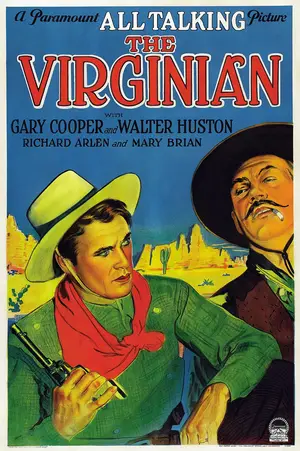
True Grit Rating: The Virginian
Loading the ticket…
The Virginian is a 1929 American Western directed by Victor Fleming for Paramount, the first sound film of Owen Wister's novel The Virginian (1902) and of the 1904 stage play that Wister wrote with Kirke La Shelle. Gary Cooper plays the soft-spoken Wyoming ranch foreman known only as the Virginian, Walter Huston is the rustler Trampas and Richard Arlen is Steve, the Virginian's old friend who goes wrong. It was Cooper's breakthrough role and gave the screen one of its best-remembered Western lines, the Virginian's quiet warning to Trampas that if he wants to call him that, he should smile.
Plot
The Virginian is foreman of the Box H Ranch near Medicine Bow, Wyoming. In a saloon he and Trampas quarrel over a dance-hall girl, and when Trampas insults him the Virginian draws his gun and tells him to smile. Soon afterwards Molly Wood, a new schoolteacher from Vermont, arrives in town, and both the Virginian and his childhood friend Steve, whom he has given a job on the ranch, set out to court her. The two friends play practical jokes together, among them swapping the sleeping babies at a christening party.
Steve drifts into Trampas's gang of cattle thieves, despite the Virginian's warnings. When the rustlers are caught stealing Box H cattle, the Virginian has to see the law of the range carried out, and Steve is hanged with the others. Molly turns from the Virginian in horror, but when Trampas shoots him from ambush she nurses him back to health, and they agree to marry. On their wedding day Trampas orders the Virginian out of town by sundown. Against Molly's pleading he faces Trampas in the street and kills him, and the couple marry and set out for a ranch of their own.
Production
This was the third film of Wister's story, after the silent versions of The Virginian (1914) and 1923, and the first with sound. It was also Victor Fleming's first sound film and Cooper's first talking Western lead. Randolph Scott, then a young unknown with a small uncredited part, coached Cooper in the Virginian's Southern accent. Shooting began in late May 1929 and was done mostly out of doors, around Sonora and Lone Pine in California, with the railway scenes filmed on the Sierra Railway. To record dialogue on location the crew used newly developed "blimped" cameras, soundproofed so that their noise would not reach the microphones. Rather than synchronise every sound with the picture, the film used the natural sounds of the range, such as lowing cattle, for atmosphere, and Arlen sings the old cowboy song "Bury Me Not on the Lone Prairie".
Reception
The film opened in Los Angeles on 1 November 1929 and went on general release on 9 November. The American Film Institute calls it one of the first large-scale, all-dialogue Westerns made by a studio. Variety thought the scene in which the Virginian must send his friends to their deaths one of the most harrowing ever filmed, and later critics have praised its early and imaginative use of sound. Because Cooper's character speaks so little, the part helped fix him as a man of few words, and Cooper later named it his favourite of his films. By the 1960s the surviving copies were badly worn, but the film was restored in the 1990s.
Legend and history
- "Smile when you say that." The famous line comes from Wister's novel, where the Virginian answers Trampas's insult with "When you call me that, smile!" It is often misquoted, and the film's version is slightly different again. It was among the nominees for the American Film Institute's 2005 list of the greatest film quotations.
- The cowboy as gentleman. Wister's novel, and this film in particular, helped fix the picture of the cowboy as a chivalrous, slow-talking but tough hero who keeps his word and protects the weak, a type that Westerns followed for decades.
- Later versions. The story was filmed again in 1946 with Joel McCrea, and it became the long-running television series The Virginian (1962–71).
Key facts
- Released: 9 November 1929 (Los Angeles opening 1 November 1929)
- Director: Victor Fleming
- Studio: Paramount Famous Lasky Corporation
- Based on: the novel The Virginian by Owen Wister (1902) and the play by Wister and Kirke La Shelle (1904)
- Stars: Gary Cooper, Walter Huston, Richard Arlen, Mary Brian
- Locations: Sonora and Lone Pine, California; Sierra Railway
- Running time: 91 minutes (data); the AFI Catalog gives 92
- IMDb rating: 6.7 (data)
- Directed by Victor Fleming
- Released 1929
- Running time: accounts differ: 92 minutes (AFI Catalog) or 91 minutes (Wikidata).
Cast
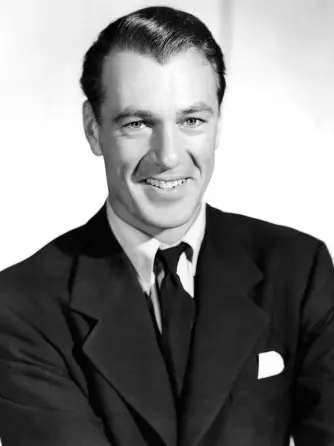
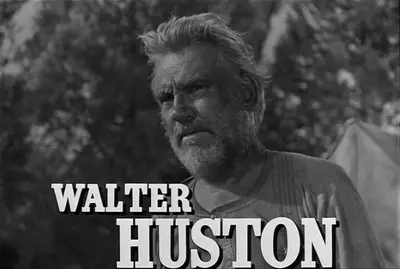
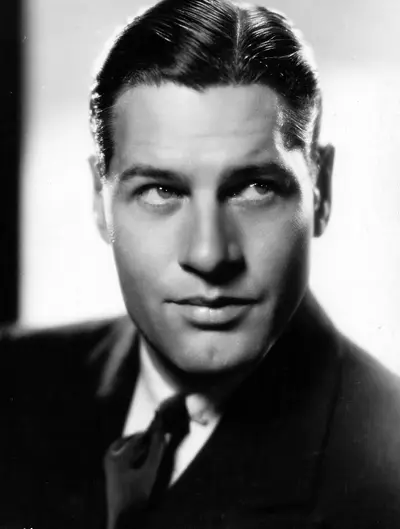

See also
- The Virginian (novel)
- The Virginian (1914)
- The Virginian (TV series)
- Owen Wister
- Gary Cooper
If you liked this
Picked from this wiki's own links: same film series, same director, same lead actor.
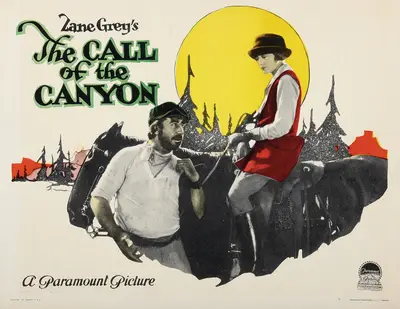 The Call of the Canyon1923Also directed by Victor Fleming
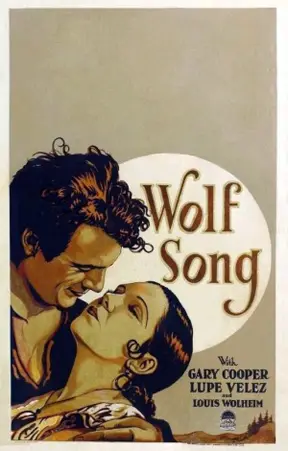 Wolf Song1929Also directed by Victor Fleming
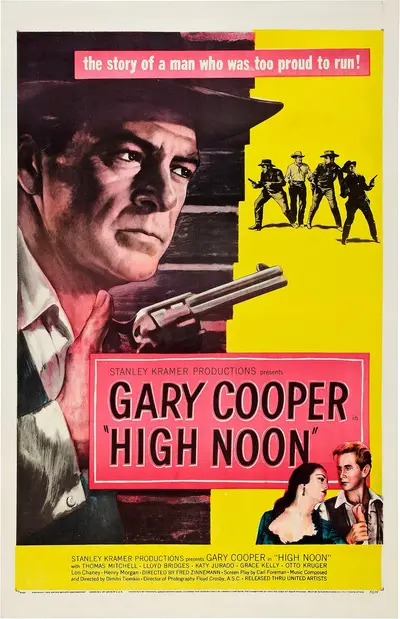 High Noon1952Also starring Gary Cooper
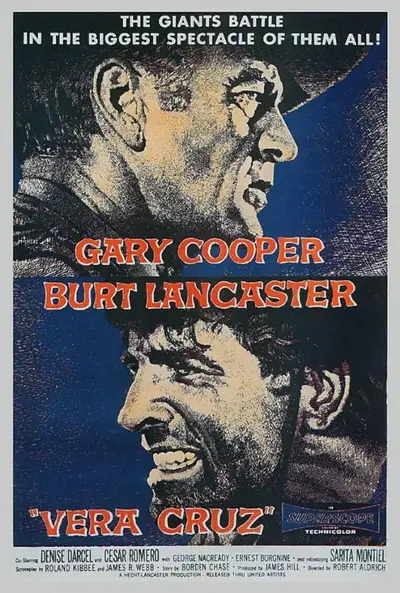 Vera Cruz1954Also starring Gary Cooper
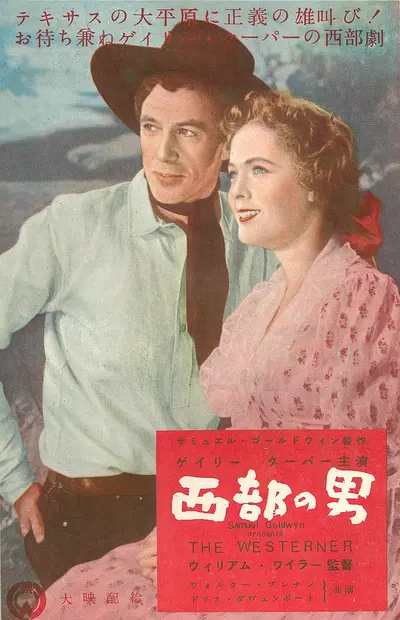 The Westerner1940Also starring Gary Cooper
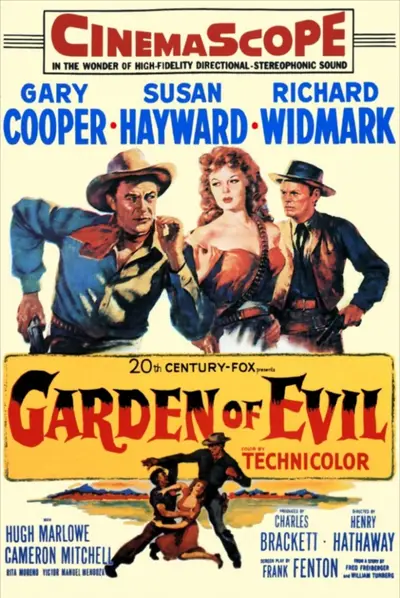 Garden of Evil1954Also starring Gary Cooper


True Grit RatingWhat's this?SVLIMDb ★6.7Provisional
True Grit score: 84/100, Silver Provisional
How the score is worked out:
- Start100
- Provisional, capped at Silver: 100 → 84 (3 checks not known, provisional)
- Presumed (silent era, 1910–1929): sex & nudity, violence, language, faith shown negatively presumed no, counted as checked0
- True Grit score84 · Silver
Classic Western checks
0 of 4 yes · Classic Western · 1 not known
- Called “revisionist”Not knownUnknown.
- Settlers or cavalry as villainsNoNo: a plot summary names outlaws (or other traditional villains) as the villains, not settlers or the army.[1]
- Faith shown negativelyPresumed noPresumed no (silent era)
- History rewrittenNoSource passage states the work's basis (quoted). [2]
more
Source passage states the work's basis (quoted). No true-story claim found in the article (rev 1376052715, retrieved 2026-11-06T10:34:25Z). history_rewritten no = owner true-story gate (H2) applied to that: an inference under the owner rule, not a statement by the source. Citation audit 2026-11-06.
Content guide
- SSex & nudityPresumed no
- VViolencePresumed no
- LLanguagePresumed no
Presumed no (silent era)
NoneMildModerateStrongNot known
Audience
★ 6.7/10 from viewers on IMDb (995 votes)No deduction (5.0 and up).
Sources
- Wikipedia: The Virginian (1929 film) (plot)
- Wikipedia: The Virginian (1929 film) (lead; rev 1376052715) (checked 24 October 2026)
Information courtesy of IMDb (https://www.imdb.com). IMDb rating as of 13 October 2026.
Checked 24 October 2026 · Reviewed by Frontier Editor
Provisional: not enough sources yet, so this rating may change.
Member reviews
What members think. Member reviews never change the True Grit score. The True Grit score is worked out by the editors from sources.
Sources
- The Virginian (1929 film) - Wikipedia en.wikipedia.org
- Wikidata: Q3523233 wikidata.org
- Wikimedia Commons: Poster - Virginian, The (1929) 01.jpg commons.wikimedia.org
- Wikimedia Commons: TheVirginian-1929.jpg commons.wikimedia.org
- The Virginian film by Fleming - Britannica britannica.com
- IMDb Non-Commercial Datasets developer.imdb.com
- Rotten Tomatoes (score via Wikidata) rottentomatoes.com
- AFI Catalog: The Virginian (1929) catalog.afi.com
